Fire Storm: The Bold Display Font for Impactful Design
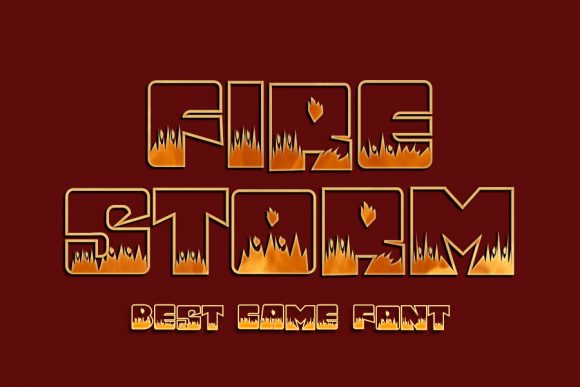
In the crowded landscape of digital content, making an immediate visual impact is no longer optional—it's essential. The right typography can transform a design from mundane to magnetic, and the Fire Storm font is engineered precisely for that purpose. This bold and chunky lettered display font commands attention, offering designers a powerful tool to inject energy and authority into their work. Whether you're crafting a brand identity, designing a poster, or creating social media graphics, Fire Storm provides the visual weight needed to make a statement.
Understanding the Role of Bold Typography in Modern Design
Typography is the voice of visual communication. In an era of short attention spans, a typeface like Fire Storm—characterized by its heavy strokes and substantial presence—serves as a critical element for establishing hierarchy and directing the viewer's eye. It excels in scenarios where clarity and impact are paramount, effectively bridging the gap between aesthetic appeal and functional communication. Its design speaks to modern aesthetics that favor confidence and directness, making it a versatile asset in any creative's toolkit.
Practical Applications Across Creative Projects
The utility of a robust display font extends far beyond simple headlines. Its chunky, assertive nature makes it adaptable to numerous contexts within graphic design and visual communication.
- Branding and Logo Design: Fire Storm can form the cornerstone of a brand identity, conveying strength, stability, and innovation. Its distinctive letterforms help create memorable logos that stand out in competitive markets.
- Marketing and Advertising: From digital ads to print campaigns, its high readability at scale ensures your message cuts through noise. It’s particularly effective for call-to-action text and promotional headlines.
- Social Media and Web Design: On platforms driven by visuals, such as Instagram or YouTube, bold typography increases engagement. Fire Storm can be used for banner graphics, post titles, and UI elements that require emphasis without sacrificing clarity.
- Packaging and Editorial Design: In packaging, it helps products leap off the shelf. In magazines or book covers, it creates dramatic, eye-catching titles that guide readers through the visual hierarchy of the layout.
Integrating Fire Storm into Your Design Workflow
Effectively incorporating a display font like Fire Storm requires thoughtful application. Its power lies in contrast; using it for headlines or key phrases against a cleaner, more neutral body font creates a dynamic and balanced composition. Consider your color palette—the font pairs well with both vibrant hues and minimalist monochromes, adapting to the desired mood of your project.
When evaluating its use, think about your audience and the design's goal. For a tech startup aiming to project innovation, Fire Storm can add a futuristic edge. For a music festival poster, it embodies energy and excitement. Always test the font in context to ensure it aligns with the project's visual language and doesn't overwhelm supporting elements. Scalability is another strength; its chunky design maintains integrity whether used on a large billboard or a small mobile screen, supporting responsive web design and multi-platform branding.
Elevating Your Visual Communication
Quality creative assets are investments in effective communication. A font like Fire Storm does more than decorate—it structures information, evokes emotion, and reinforces brand personality. In user experience (UX) design, well-chosen typography improves readability and navigational flow, making interfaces more intuitive. For marketers, it strengthens campaign cohesion across digital and print touchpoints, enhancing brand recall.
Ultimately, the power of a design lies in the synergy of its elements. Fire Storm, as a component of your visual design strategy, can unlock new creative possibilities, helping you deliver professional, polished, and persuasive projects that resonate with your audience and achieve your communication objectives.