Dynamic Drips: A Fluid Font for Modern Design
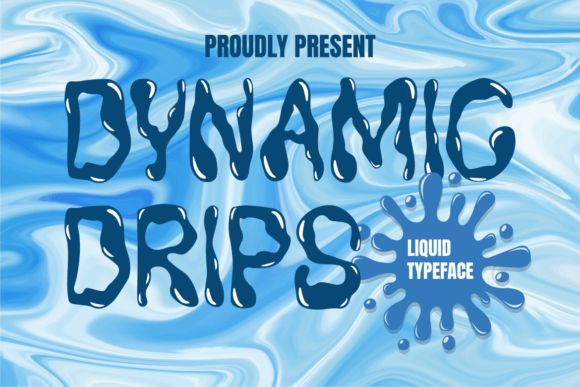
Imagine a typeface that doesn't just sit on the page but seems to flow and splash across it. This is the experience offered by Dynamic Drips, a display font that captures the essence of liquid movement. For graphic designers, typographers, and creative professionals seeking to inject energy and a unique visual identity into their projects, this font provides a compelling solution. Its character shapes, inspired by water droplets and spontaneous splashes, move beyond static letters to create a dynamic visual language.
In modern graphic design, typography is a fundamental pillar of visual communication. The right font choice can elevate a brand, guide a user's eye, and evoke specific emotions. Dynamic Drips excels in contexts where a playful, energetic, or organic tone is required. Its design supports the creation of a strong brand identity for companies in sectors like beverages, children's products, environmental initiatives, or summer events. The font's inherent movement can enhance visual hierarchy, making headlines and logos immediately engaging.
Practical Applications for Creative Professionals
The versatility of a thematic display font like this allows it to serve multiple functions within a design workflow. Its application extends far beyond a single project type, offering value across various media.
- Logo Design & Branding: Craft memorable logos for splash pools, beverage brands, aquariums, or eco-friendly cleaning products. It helps establish a friendly and approachable brand identity.
- Marketing Materials: Use it for social media graphics, event posters, and advertising campaigns targeting a youthful or fun-loving audience. Its high visual impact stops the scroll.
- Packaging & Print Design: Apply it to product labels for juices, bath products, or children's toys to create shelf appeal. It works well on invitation cards for pool parties or themed celebrations.
- Digital & Web Design: Incorporate it strategically into UI design for app splash screens, website hero sections, or gaming interfaces where a thematic element enhances the user experience.
- Editorial & Presentations: Use it sparingly in editorial design for chapter headings or in presentations to introduce a topic with visual flair, ensuring it supports rather than distracts from the content.
Integrating Dynamic Elements into Your Design System
While a font like Dynamic Drips offers immense creative potential, its effective use requires thoughtful integration into a broader visual design system. The primary consideration is balance. Because it is highly expressive, pairing it with a clean, neutral sans-serif or serif body font is crucial for maintaining readability and professional presentation.
Consider these factors when evaluating and using such creative assets:
- Context and Audience: Does the playful, fluid aesthetic align with your project's goals and your target audience's expectations? It's ideal for informal, creative, or child-centric contexts but may be less suitable for corporate finance.
- Visual Hierarchy: Use Dynamic Drips for key touchpoints—logos, main headlines, or call-to-action buttons—where you want to draw maximum attention. Let simpler typography handle extended text.
- Color Palette Integration: The font pairs beautifully with blues, aquas, and transparent gradients to reinforce its liquid theme, but it can also be used with contrasting, vibrant colors for a more energetic pop art feel.
- Scalability and Legibility: Always test the font at the sizes you intend to use. Display fonts often work best at larger scales where their unique details are visible and legible.
Ultimately, the power of a well-chosen font lies in its ability to communicate a concept instantly and aesthetically. Dynamic Drips provides a direct pathway to injecting motion, fun, and a distinct personality into a wide array of creative projects. By thoughtfully applying it within a cohesive design system, professionals can enhance their visual communication, strengthen brand identity, and create more engaging experiences across both digital and print mediums. Selecting the right creative assets is not just about decoration; it's a strategic decision that shapes perception and improves the overall quality of your design output.